
Water Safety in South Africa: How to Stay Safe

A quiet patch of sea can hide a rip current. The bottom of a dam can drop away a few steps from shore. At home, a bath, pond or bucket can be dangerous to a young child. Wherever you are, check the conditions, decide who is watching the children and know where to get help.
Share this guide with someone who swims, boats or spends time around water. Knowing what to do in an emergency could save a life.
Emergency numbers to save before you go
- South Africa emergency services: 112 from a cellphone.
- NSRI Sea Rescue: 087 094 9774 for water rescue.
Save both numbers in your Contacts app before leaving, along with the nearest emergency vet if you’re travelling with pets. In an emergency, tap a number above to open your phone dialler. NSRI emergency contact details
Before anyone gets in
Choose a lifeguarded swimming area where available. Read local warnings, check the weather and identify a safe way out. Swim with a buddy, stay within your ability and avoid swimming after drinking alcohol. Leave the water if you get cold or tired, or if a storm approaches. NSRI summer water safety advice
Give one adult the job of watching the children. Put phones away and stay within arm’s reach of young children and weak swimmers. If you need to leave, have another adult explicitly take over. Keep watching even when children have had swimming lessons or a lifeguard is on duty. CDC drowning prevention guidance
Sun protection around water
Plan beach, pool and boating outings for times when the sun is less intense. Take shade breaks and pack a wide-brimmed hat, UV-protective sunglasses and a long-sleeved swim shirt. Apply broad-spectrum SPF 30 or SPF 50 sunscreen to exposed skin before going outside. Choose a water-resistant sunscreen for swimming and reapply at least every two hours and after swimming or towel drying, following the label. Remember the ears, back of the neck and tops of the feet. CANSA holiday sun protection guidance
Beaches, the ocean and tidal pools
Swim between the lifeguards’ flags. Ask about currents, tide and shore break before entering. A gap between breaking waves may mark a rip current, and rips can be hard to recognise. At tidal pools and rocky shores, watch the swell and keep away from ledges where a wave could sweep you in or cut off your exit.
If a rip carries you away from shore, float and raise an arm to signal for help. Avoid swimming straight against it. If you can, swim parallel to shore until you’re clear of the current, then make your way back. If you can’t swim out, keep floating and signalling. NSRI rip current guidance
Rivers, streams and waterfalls

Stay away from rising or fast-moving water, slippery rocks, submerged branches, weirs and waterfall edges. Rain upstream can raise the water where you are. If the level rises or debris begins moving downstream, leave the water and move back from the bank. If you’re swept away, signal for help and try to float on your back with your feet up, working towards a safe bank when possible. Avoid trying to stand in fast-moving water. NSRI inland water guidance · South African water safety guidance
Dams, lakes, reservoirs and lagoons

Check for steep or slippery banks, sudden drop-offs, submerged obstacles, wind and boat traffic. Avoid diving into unfamiliar water and obey closure and no-swimming signs. Stay clear of spillways and intakes. At a lagoon mouth, allow for tidal currents as well as waves and wind.
When boating or paddling, put on a properly fitted life jacket before launching. Tell someone your route and expected return time, and carry a charged phone in a waterproof pouch you can reach. If you capsize and can safely stay with the craft, it can help keep you afloat and make you easier to find. NSRI water safety advice · CDC life jacket guidance
Floodwater, canals and stormwater channels

Turn back when water covers a road or low bridge. It can hide a damaged road, an open drain or a strong current. Keep children away from swollen streams and drainage channels. If water rises around you, move to higher ground by a dry route if one is available. If someone is swept away, call for help from firm ground and report their last known location and direction of travel. National Weather Service flood safety guidance
Baths, buckets, ponds and water tanks

Stay within arm’s reach of a young child in the bath. If you need to leave the room, take the child with you. Empty buckets, basins and portable paddling pools after use. Store buckets upside down and secure lids on water storage containers. Keep young children close around ponds, water features and hot tubs. CDC guidance on drowning hazards · Seattle Children’s water safety guidance
Swimming pools: isolate the water with a solid safety cover
When the pool is out of use, the goal is to make the water inaccessible. Choose a solid cover designed for safety and fitted to your pool. Have the installer show you how it closes over the full surface, how it secures and how to check for openings where someone could reach the water or get underneath. Ask what maintenance it needs and check the applicable local pool-safety requirements for your property. If you’re comparing options, see Pool Cover Pro’s cover range and ask which products are designed for safety on your specific pool. NSRI swimming pool safety guidance
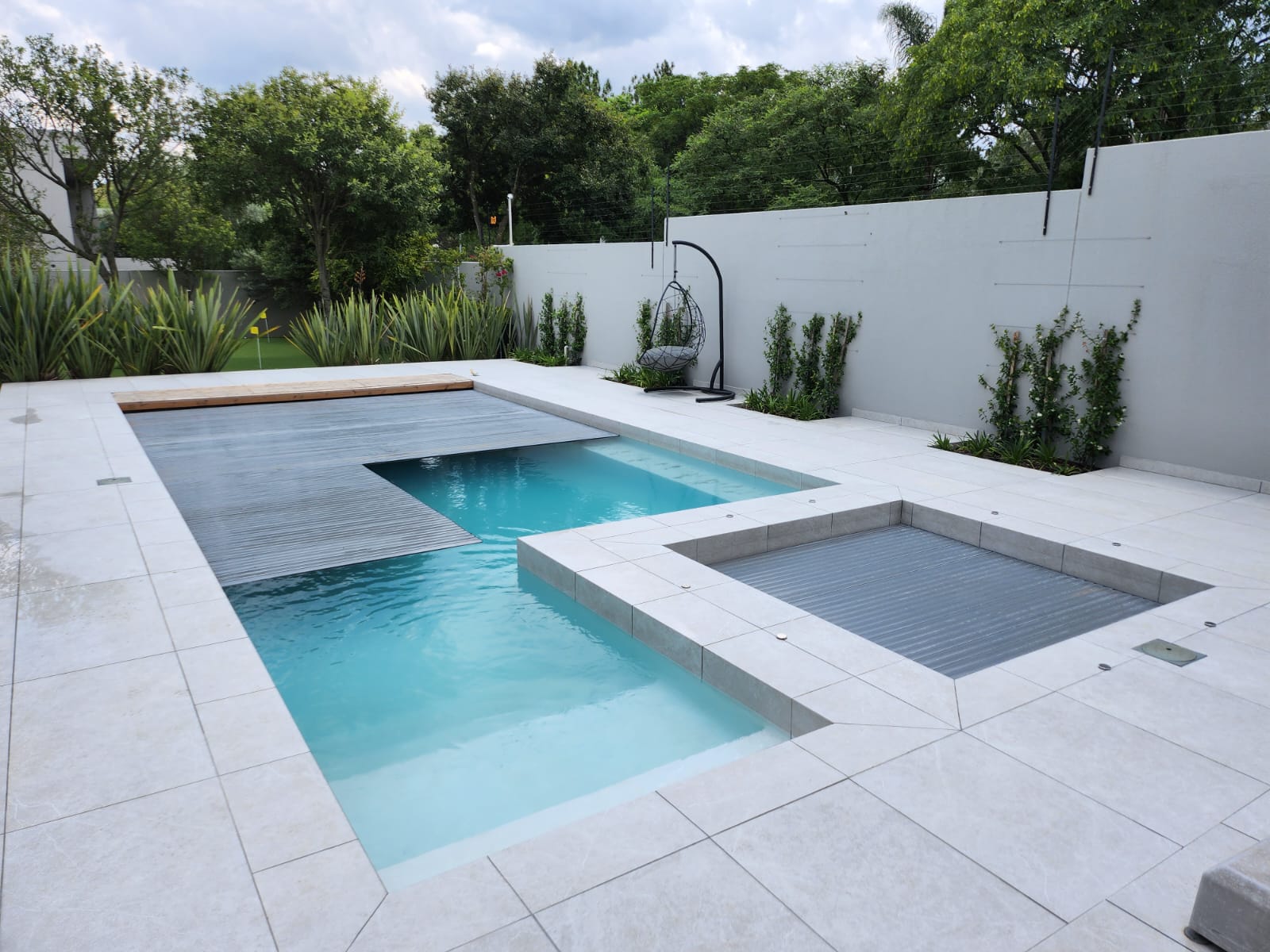
- Close and secure the cover after every swim. Confirm everyone is out before closing it. Check that the cover has reached its fully closed position and secured as designed. Keep controls out of children’s reach.
- Check the cover and the water on top. Inspect it for damage, loose fittings, gaps and incomplete closure. After rain, remove standing water using the manufacturer’s recommended method. Water that collects on top can itself be a drowning hazard. Solid safety cover care guidance
- Open the cover fully before swimming. Supervise swimmers closely. If the cover cannot close or secure correctly, keep children away from the pool and arrange a repair. Keep people and pets off the cover.
If someone is in trouble in the water
A drowning person may be unable to shout or wave. Watch for someone who stops making progress, repeatedly slips below the surface or struggles to keep their mouth above water. Act immediately.
- Alert a lifeguard and call 112. Put your phone on speaker and follow the dispatcher’s instructions. Ask another person to keep watching where the casualty is.
- Reach or throw from safety. If you can reach the person from stable ground, lie down and extend a pole or similar object. Otherwise throw a lifebuoy, Pink Rescue Buoy or another floating aid. Stay out of hazardous water and let trained rescuers carry out an in-water rescue. NSRI Pink Rescue Buoy guidance
- Check responsiveness and breathing once they’re safely out. If they are unresponsive and breathing normally, place them on their side and keep monitoring their breathing. If they are unresponsive and aren’t breathing normally, including if they are only gasping, start CPR immediately. Rescue breaths are especially important after drowning. Give breaths with chest compressions if you can. If you can’t give breaths, start chest compressions and follow the dispatcher’s directions. Ask someone to fetch an AED while CPR continues. Dry the chest before attaching the pads and follow the device prompts. ANZCOR drowning resuscitation guideline · American Heart Association drowning guidance
- Get urgent medical assessment after a drowning incident, even if the person seems to recover. Tell the dispatcher about any coughing, breathing difficulty, confusion or unusual drowsiness. Stay with the person, keep them warm and monitor their breathing until help arrives. ANZCOR drowning resuscitation guideline
Taking pets on holiday: heat, travel and water safety
Before you leave, check which beaches, parks, campsites and boat launches allow pets. Update your pet’s ID tag and microchip details, save the number of an emergency vet near your destination, and pack fresh water, a bowl, a lead and any medication. Secure dogs with a travel harness or crate and cats in a carrier. Plan stops for water and toilet breaks, and keep pets on a lead when you open the car at unfamiliar stops. AVMA pet travel guidance
Heat, hot sand and parked cars
Walk in the cooler part of the day and avoid hot sand, paving and boat decks. Offer fresh water and shade, and take breaks before your pet tires. Never leave a pet in a parked car, even with the windows cracked. Take extra care with short-nosed breeds such as French bulldogs. AVMA warm-weather pet safety
Suspect heatstroke if your dog is panting heavily, drooling, weak, unsteady or collapsing. Stop activity, move them into shade or a cooler place, and start cooling immediately with water cooler than the dog and airflow. Keep water away from the nose and mouth. Call an emergency vet straight away and follow their instructions while arranging transport. Royal Veterinary College heatstroke guidance
Beaches, dams and boats
Keep your dog close near surf, fast currents, steep banks and submerged fishing line or hooks. Choose calm water with an easy exit and supervise throughout. Some dogs tire quickly or struggle to swim. Offer fresh drinking water and keep pets from drinking seawater or untreated water. Stay away from scum, unusual discolouration and algae warnings at dams and lakes. If you suspect contact with a harmful bloom, rinse your pet with clean water, prevent them from licking their coat and call a vet immediately. VCA dog water safety · CDC harmful algal bloom guidance
Fit a pet life jacket with a lifting handle before boarding a boat, kayak or paddleboard. Give your pet a shaded spot, a non-slip surface and fresh water. Plan how you’ll get them back aboard if they fall in. At holiday accommodation, show your dog the pool steps if supervised swimming is allowed, and keep pets off the pool cover. VCA boating safety guidance
If your pet has an accident
If your pet falls into the water, get them out from a safe position if you can. Stay out of dangerous surf, currents and floodwater. After a submersion, call an emergency vet promptly, even if your pet seems to recover. Coughing, laboured breathing, weakness or collapse need urgent care. Call ahead for instructions if your pet is injured, has swallowed a fishhook or is having trouble breathing. Royal Veterinary College pet first aid guide
Before your next outing, save the emergency numbers and decide who is watching the children. At home, make fully closing, securing and checking your solid pool safety cover the last step after every swim.
For advice about a cover for your pool, contact Pool Cover Pro.